


Airfix Junkers JU87B-2/R-2
Airfix Junkers JU87B-2/R-2
A07115
More from
Key Publishing Ltd


Airfix Junkers JU87B-2/R-2
Airfix Junkers JU87B-2/R-2
A07115
More from
Key Publishing Ltd
This Airfix 1:48 scale model of the Junkers Ju87R-2/B-2 Stuka comprises 158 components, providing modellers aged 8 and older with a detailed replica of one of the Second World War's most renowned dive bombers.
While commonly associated with the Wehrmacht's early Second World War Blitzkrieg tactics, the Ju87B Stuka also served as an effective maritime strike bomber, executing precise dive bombings on Allied ships, causing significant damage in the English Channel, North Africa, and the Mediterranean.
History
The Stuka was employed by the air forces of Italy, Romania, Bulgaria, and Hungary, and remained in service with the Luftwaffe throughout WWII. Its dive attack was so intense that numerous automatic features were integrated into the manoeuvre.
At an altitude of roughly 15,000 ft, the pilot would identify his target through a bombsight window located on the cockpit floor. Automatic controls for the engine and propeller optimised the aircraft during a dive, while an automatic trimmer made the aircraft tail-heavy as the pilot initiated the dive. Pulling the dive lever back limited the control column's movement and initiated a sequence that, if executed correctly, ensured the ordnance reached its target. The pilot adjusted trim tabs, reduced throttle, and closed the engine coolant flaps. The aircraft automatically became tail-heavy and rolled into a steep nose-down dive. Dive brakes deployed automatically to maintain a constant speed of 360 mph. This marked the point of no return.
As the pilot endured increasing physical strain, he checked the dive angle by aligning red lines on the cockpit window with the horizon at angles of 60, 75, or 80 degrees. He then aimed through the fixed gunsight and released the main bomb at the optimal height, indicated by a light on the altimeter. The bomb was mounted on a large U-shaped cradle that swung down upon release, clearing the propeller and striking the target. During this process, the pilot glanced at red pins on the wing tops, confirming the automatic dive recovery system was engaged in case of a blackout due to g-forces. All this occurred within a few seconds.
After releasing the bomb, the aircraft initiated its dive recovery sequence, during which the crew experienced maximum g-forces, often exceeding six times gravity, risking vision impairment. Once the nose rose above the horizon, dive brakes retracted automatically, the throttle was opened, and the propeller was set for climbing. The pilot then manually opened the coolant flaps to prevent engine overheating and resumed flight.
At this juncture, the Stuka was most vulnerable, flying low and slow in hostile territory. The rear gunner might still be unconscious, and the pilot could feel light-headed, while every nearby anti-aircraft gun, rifle, and enemy fighter targeted them from all directions.
Key Features
- 1:48 scale model featuring 158 components for intricate assembly
- Skill level 3 build, ideal for seasoned modellers
- Completed model boasts a wingspan of 288mm
- Includes two authentic paint schemes
- Highly detailed depiction of this formidable dive bomber
- Constructed from plastic with precision-moulded parts
Regular price
£29.99
Sale price
£29.99
Regular price
£39.99
Unit price
per
The Key Publishing Promise

A specialist media company serving the enthusiast community across the globe. Trusted for over 40 years.

Buy Direct and Save

Subscriber Only Discounts across the store

Get early access to exclusive events and product Launches


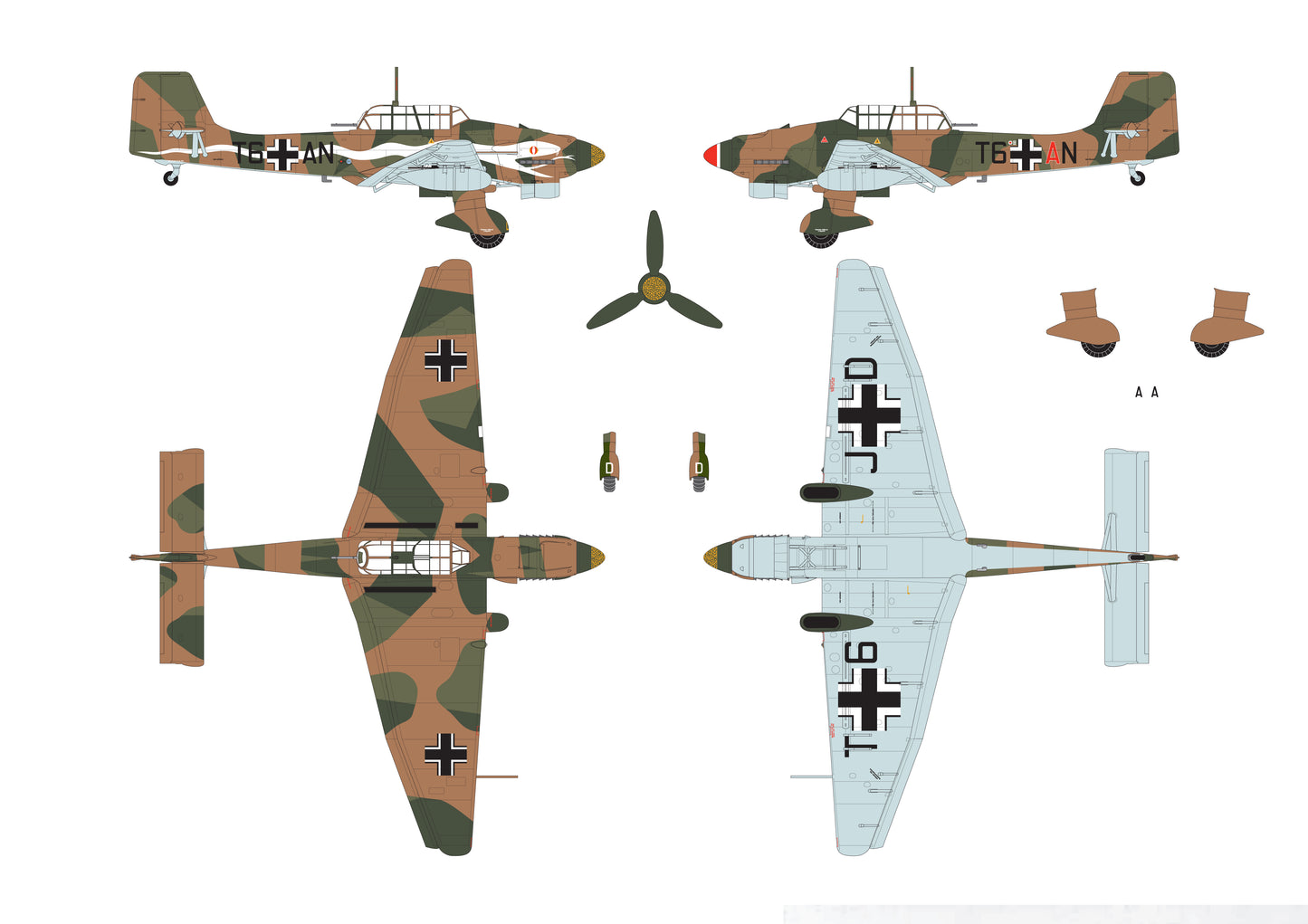
This Airfix 1:48 scale model of the Junkers Ju87R-2/B-2 Stuka comprises 158 components, providing modellers aged 8 and older with a detailed replica of one of the Second World War's most renowned dive bombers.
While commonly associated with the Wehrmacht's early Second World War Blitzkrieg tactics, the Ju87B Stuka also served as an effective maritime strike bomber, executing precise dive bombings on Allied ships, causing significant damage in the English Channel, North Africa, and the Mediterranean.
History
The Stuka was employed by the air forces of Italy, Romania, Bulgaria, and Hungary, and remained in service with the Luftwaffe throughout WWII. Its dive attack was so intense that numerous automatic features were integrated into the manoeuvre.
At an altitude of roughly 15,000 ft, the pilot would identify his target through a bombsight window located on the cockpit floor. Automatic controls for the engine and propeller optimised the aircraft during a dive, while an automatic trimmer made the aircraft tail-heavy as the pilot initiated the dive. Pulling the dive lever back limited the control column's movement and initiated a sequence that, if executed correctly, ensured the ordnance reached its target. The pilot adjusted trim tabs, reduced throttle, and closed the engine coolant flaps. The aircraft automatically became tail-heavy and rolled into a steep nose-down dive. Dive brakes deployed automatically to maintain a constant speed of 360 mph. This marked the point of no return.
As the pilot endured increasing physical strain, he checked the dive angle by aligning red lines on the cockpit window with the horizon at angles of 60, 75, or 80 degrees. He then aimed through the fixed gunsight and released the main bomb at the optimal height, indicated by a light on the altimeter. The bomb was mounted on a large U-shaped cradle that swung down upon release, clearing the propeller and striking the target. During this process, the pilot glanced at red pins on the wing tops, confirming the automatic dive recovery system was engaged in case of a blackout due to g-forces. All this occurred within a few seconds.
After releasing the bomb, the aircraft initiated its dive recovery sequence, during which the crew experienced maximum g-forces, often exceeding six times gravity, risking vision impairment. Once the nose rose above the horizon, dive brakes retracted automatically, the throttle was opened, and the propeller was set for climbing. The pilot then manually opened the coolant flaps to prevent engine overheating and resumed flight.
At this juncture, the Stuka was most vulnerable, flying low and slow in hostile territory. The rear gunner might still be unconscious, and the pilot could feel light-headed, while every nearby anti-aircraft gun, rifle, and enemy fighter targeted them from all directions.
Key Features
- 1:48 scale model featuring 158 components for intricate assembly
- Skill level 3 build, ideal for seasoned modellers
- Completed model boasts a wingspan of 288mm
- Includes two authentic paint schemes
- Highly detailed depiction of this formidable dive bomber
- Constructed from plastic with precision-moulded parts
All subscriptions are delivered post free. We will make every effort to ensure orders confirmed by 1pm Monday-Friday will be despatched on the same day. Orders confirmed after 1pm are not guaranteed to be despatched on the same day. For overseas orders please allow at least 28 days for delivery, overseas items are sent by surface mail.
Key Publishing charge delivery per entire order, rather than per single product, with the exception of any magazine subscription order, which will not be subject to postage charges. At the checkout page, you will be presented with the appropriate delivery options for your order to allow you to select the option that you prefer. All charges will be made clear prior to you being asked to confirm final payment for your items.
Please note: Subscription purchases do not incur any additional delivery charges.
You May Also Like
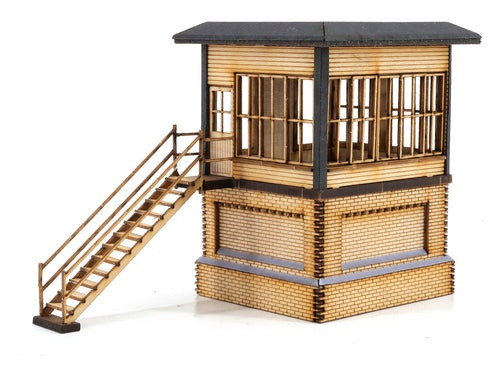
PJM Models OO gauge Crewe North A signalbox laser-cut kit
PJM Models latest exclusive ‘OO’ gauge model replicates Crewe Station A signalbox. The kit builds the compact 1907-built ‘box ...
£19.99

Legendary Flights

Boeing 707

The Modern Railway Review 2027

Your Year in the Garden

P-40 Warhawk

Strike Fighters of the US Navy-US Marine Corps

Record Breaking Planes

FlyPast Air Combat Compendium

Classic 4x4s & Pickups

Supercars of the 10s & 20s

Airliner Classics Volume 13

USAF Yearbook 2027

Why Buy Direct



A magazine that truly inspires
I’ve been reading Airliner World for as long as I can remember. A magazine that truly inspires, with great articles and beautiful pictures.
Aaron B
Best on the market
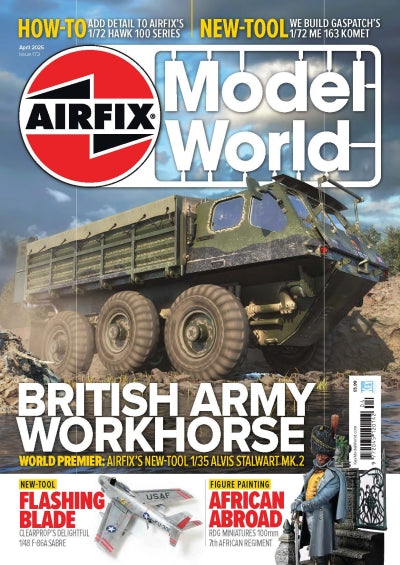
I’d say Airfix Model World is the best on the market. Well laid out, well written and plenty of diversity. Definitely the magazine the others strive to beat
Tim H

Most technically accurate railway magazine
Modern Railways is the most technically accurate railway magazine in the business and with writers of the calibre of Ford, Walmsley and Willias, what is not to like?
Graham H
Gets better every year
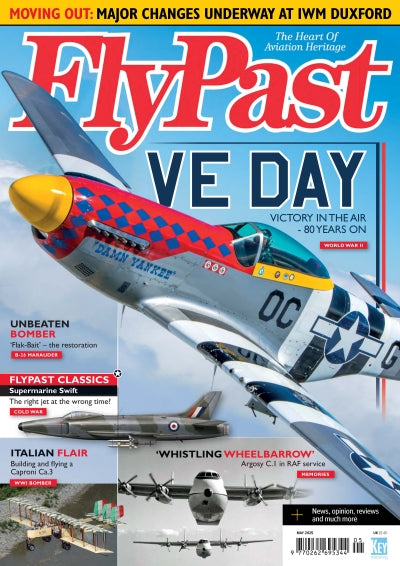
I have almost every issue of FlyPast and it gets better every year. Great detailed articles and enjoyable stories in each issue
David L
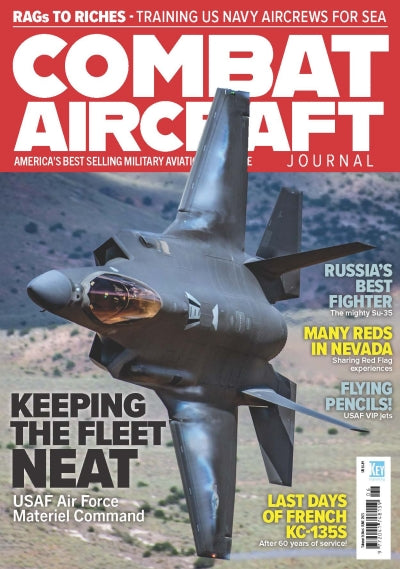
Spectacular imagery
Between the spectacular imagery and timely articles, I can think of no better magazine related to modern military aviation than Combat Aircraft
Roger F
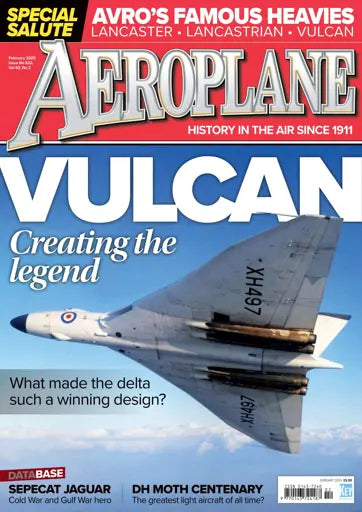
Subscribing since the 80's!
I started buying Aeroplane Monthly in ‘76 or ‘77. By the early 80’s I bought a subscription and I still have it. I love the magazine.
Chris E
A magazine that truly inspires
I’ve been reading Airliner World for as long as I can remember. A magazine that truly inspires, with great articles and beautiful pictures.
Aaron B
Best on the market
I’d say Airfix Model World is the best on the market. Well laid out, well written and plenty of diversity. Definitely the magazine the others strive to beat
Tim H
Most technically accurate railway magazine
Modern Railways is the most technically accurate railway magazine in the business and with writers of the calibre of Ford, Walmsley and Willias, what is not to like?
Graham H
Gets better every year
I have almost every issue of FlyPast and it gets better every year. Great detailed articles and enjoyable stories in each issue
David L
Spectacular imagery
Between the spectacular imagery and timely articles, I can think of no better magazine related to modern military aviation than Combat Aircraft
Roger F
Subscribing since the 80's!
I started buying Aeroplane Monthly in ‘76 or ‘77. By the early 80’s I bought a subscription and I still have it. I love the magazine.
Chris E

- Choosing a selection results in a full page refresh.
- Opens in a new window.