


MASTERING THE COLD WAR JETS
MASTERING THE COLD WAR JETS
B724
More from
Key Publishing Ltd

Expected Delivery By 30th September 2026
MASTERING THE COLD WAR JETS
MASTERING THE COLD WAR JETS
B724
More from
Key Publishing Ltd
IN-DEPTH INSIGHTS INTO FLYING THE HARRIER, JAGUAR, PHANTOM AND TORNADO
These thought-provoking first-hand accounts come from two friends, who joined the RAF together on the same day in 1963, went through basic and advanced flying training together and then followed two parallel but different careers.
As the book is written jointly, you get two different perspectives on the main RAF front-line roles in the Cold War.
They describe going through the RAF pilot training system in the 1960s, the aircraft they flew, and the bases they operated from.
After completing advanced flying training on the Folland Gnat at RAF Valley in Anglesey they followed different paths from then on.
George went to the Canberra Conversion Unit (OCU) at RAF Bassingbourne and then to RAF Luqa in Malta to fly the Canberra PR9 in the reconnaissance role.
Alan to RAF Leuchars to convert on to the Gloster Javelin. George flew the Phantom FGR2 from its early days in service in the strike-attack roles with three different Phantom squadrons as both squadron pilot and flight commander.
After his Javelin tour, Alan became an instructor on the Jet Provost but later came back to the front line in the air-defence role.
They each have interesting views on the Phantom’s strengths and weaknesses in both roles.
After completing RAF Staff College, George did a ground tour in the MoD Operational Requirements Branch in the early days of the Tornado development.
Alan flew the Harrier and the Tornado and was an instructor on the NATO tactical leadership programme.
George took over 6 Squadron at RAF Coltishall on the Jaguar in its early years of squadron service.
After leaving the RAF they joined different airlines and continued their flying careers, having to make the transition from single-seat fighter operations to operating a large aircraft with passengers and crew.
They both became specialists, George as a type rating examiner and human factors instructor and Alan as a consultant on airline safety and regulatory matters.
The difficulties in transferring to civilian flying from military and the authors’ comparative experiences are discussed in detail, in this informative, entertaining and fascinating book.
ISBN: 9781911714415
Author: GEORGE ROBERTSON AND ALAN MUNRO
Number of Pages: 192
Format: hardcover
Publication Date: September 30, 2026
Regular price
£25.00
Sale price
£25.00
Regular price
£0.00
Unit price
per
The Key Publishing Promise

A specialist media company serving the enthusiast community across the globe. Trusted for over 40 years.

Buy Direct and Save

Subscriber Only Discounts across the store

Get early access to exclusive events and product Launches
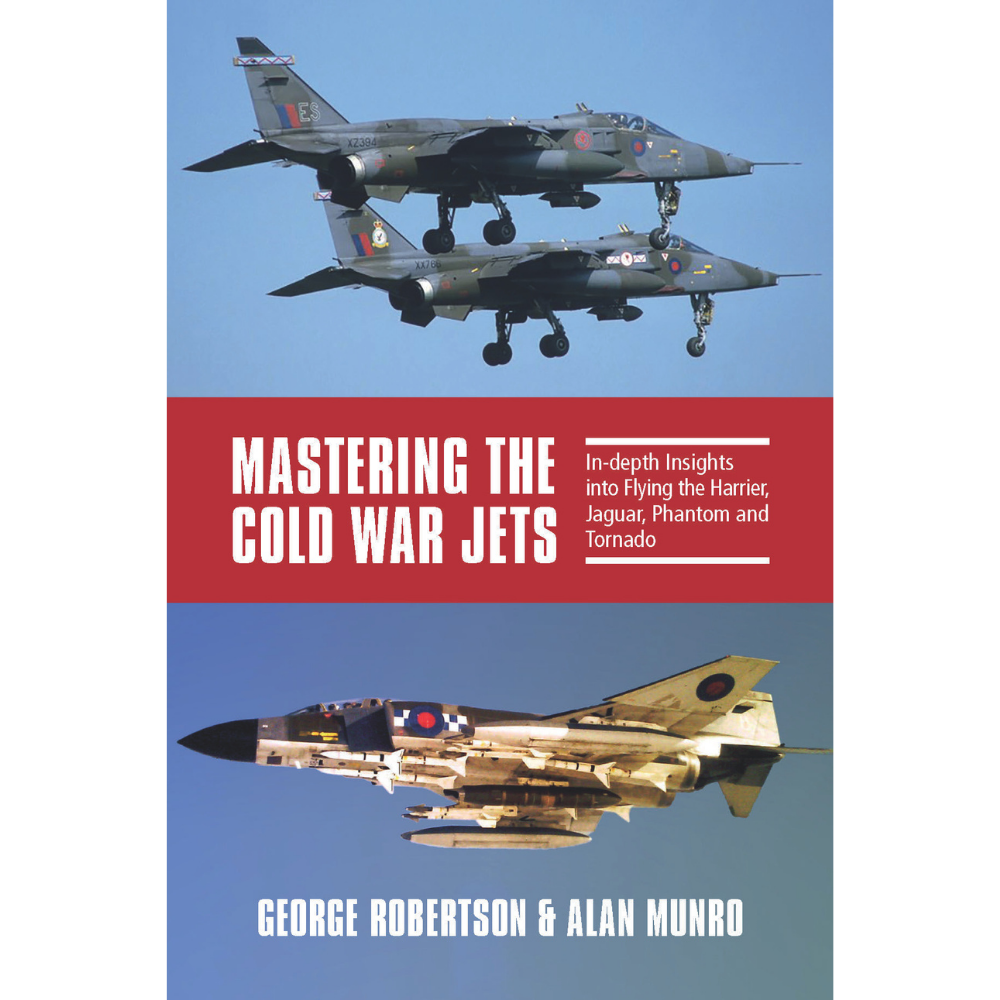
IN-DEPTH INSIGHTS INTO FLYING THE HARRIER, JAGUAR, PHANTOM AND TORNADO
These thought-provoking first-hand accounts come from two friends, who joined the RAF together on the same day in 1963, went through basic and advanced flying training together and then followed two parallel but different careers.
As the book is written jointly, you get two different perspectives on the main RAF front-line roles in the Cold War.
They describe going through the RAF pilot training system in the 1960s, the aircraft they flew, and the bases they operated from.
After completing advanced flying training on the Folland Gnat at RAF Valley in Anglesey they followed different paths from then on.
George went to the Canberra Conversion Unit (OCU) at RAF Bassingbourne and then to RAF Luqa in Malta to fly the Canberra PR9 in the reconnaissance role.
Alan to RAF Leuchars to convert on to the Gloster Javelin. George flew the Phantom FGR2 from its early days in service in the strike-attack roles with three different Phantom squadrons as both squadron pilot and flight commander.
After his Javelin tour, Alan became an instructor on the Jet Provost but later came back to the front line in the air-defence role.
They each have interesting views on the Phantom’s strengths and weaknesses in both roles.
After completing RAF Staff College, George did a ground tour in the MoD Operational Requirements Branch in the early days of the Tornado development.
Alan flew the Harrier and the Tornado and was an instructor on the NATO tactical leadership programme.
George took over 6 Squadron at RAF Coltishall on the Jaguar in its early years of squadron service.
After leaving the RAF they joined different airlines and continued their flying careers, having to make the transition from single-seat fighter operations to operating a large aircraft with passengers and crew.
They both became specialists, George as a type rating examiner and human factors instructor and Alan as a consultant on airline safety and regulatory matters.
The difficulties in transferring to civilian flying from military and the authors’ comparative experiences are discussed in detail, in this informative, entertaining and fascinating book.
ISBN: 9781911714415
Author: GEORGE ROBERTSON AND ALAN MUNRO
Number of Pages: 192
Format: hardcover
Publication Date: September 30, 2026
Expected Delivery: 30th September 2026
All subscriptions are delivered post free. We will make every effort to ensure orders confirmed by 1pm Monday-Friday will be despatched on the same day. Orders confirmed after 1pm are not guaranteed to be despatched on the same day. For overseas orders please allow at least 28 days for delivery, overseas items are sent by surface mail.
Key Publishing charge delivery per entire order, rather than per single product, with the exception of any magazine subscription order, which will not be subject to postage charges. At the checkout page, you will be presented with the appropriate delivery options for your order to allow you to select the option that you prefer. All charges will be made clear prior to you being asked to confirm final payment for your items.
Please note: Subscription purchases do not incur any additional delivery charges.
You May Also Like
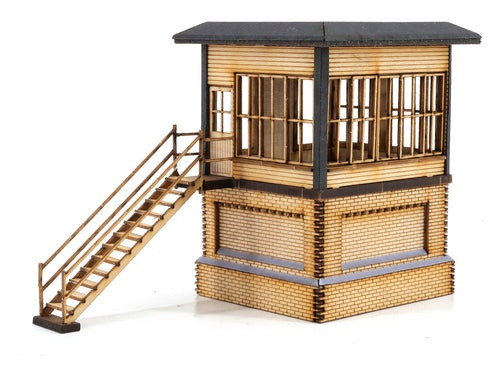
PJM Models OO gauge Crewe North A signalbox laser-cut kit
PJM Models latest exclusive ‘OO’ gauge model replicates Crewe Station A signalbox. The kit builds the compact 1907-built ‘box ...
£19.99

Buses Yearbook 2027 Hardback
Buses Yearbook 2027 (Bookazine)

World's Greatest Walks

Fighters of the USAF

MASTERING THE COLD WAR JETS

RAF BOYS IN THE MIDDLE EAST

Spitfire at 90: Anniversary Edition

North American X-15

Vehicles of the Vietnam War

F-22 Raptor

National Service and General Service Medals

Canadian Railways: Yellow Head to Marias

Why Buy Direct


A magazine that truly inspires
I’ve been reading Airliner World for as long as I can remember. A magazine that truly inspires, with great articles and beautiful pictures.
Aaron B
Best on the market
I’d say Airfix Model World is the best on the market. Well laid out, well written and plenty of diversity. Definitely the magazine the others strive to beat
Tim H
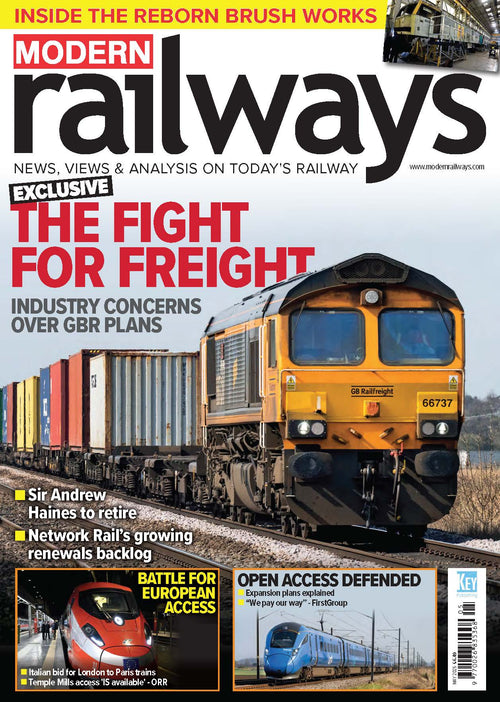
Most technically accurate railway magazine
Modern Railways is the most technically accurate railway magazine in the business and with writers of the calibre of Ford, Walmsley and Willias, what is not to like?
Graham H
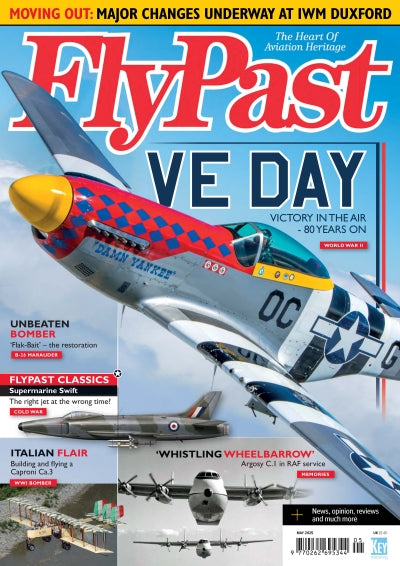
Gets better every year
I have almost every issue of FlyPast and it gets better every year. Great detailed articles and enjoyable stories in each issue
David L
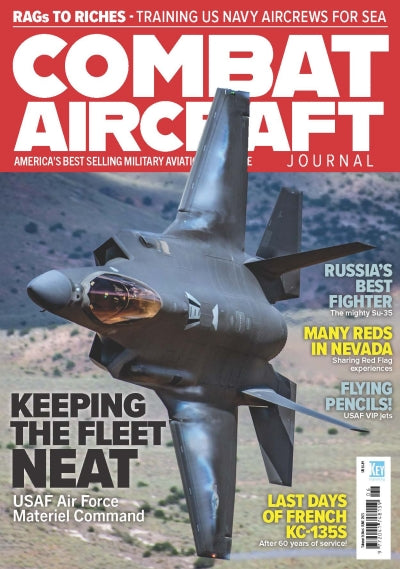
Spectacular imagery
Between the spectacular imagery and timely articles, I can think of no better magazine related to modern military aviation than Combat Aircraft
Roger F
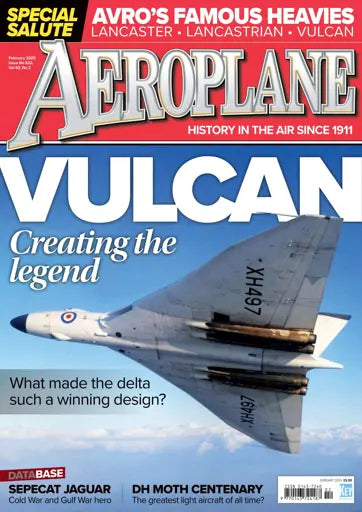
Subscribing since the 80's!
I started buying Aeroplane Monthly in ‘76 or ‘77. By the early 80’s I bought a subscription and I still have it. I love the magazine.
Chris E
A magazine that truly inspires
I’ve been reading Airliner World for as long as I can remember. A magazine that truly inspires, with great articles and beautiful pictures.
Aaron B
Best on the market
I’d say Airfix Model World is the best on the market. Well laid out, well written and plenty of diversity. Definitely the magazine the others strive to beat
Tim H
Most technically accurate railway magazine
Modern Railways is the most technically accurate railway magazine in the business and with writers of the calibre of Ford, Walmsley and Willias, what is not to like?
Graham H
Gets better every year
I have almost every issue of FlyPast and it gets better every year. Great detailed articles and enjoyable stories in each issue
David L
Spectacular imagery
Between the spectacular imagery and timely articles, I can think of no better magazine related to modern military aviation than Combat Aircraft
Roger F
Subscribing since the 80's!
I started buying Aeroplane Monthly in ‘76 or ‘77. By the early 80’s I bought a subscription and I still have it. I love the magazine.
Chris E
- Choosing a selection results in a full page refresh.
- Opens in a new window.